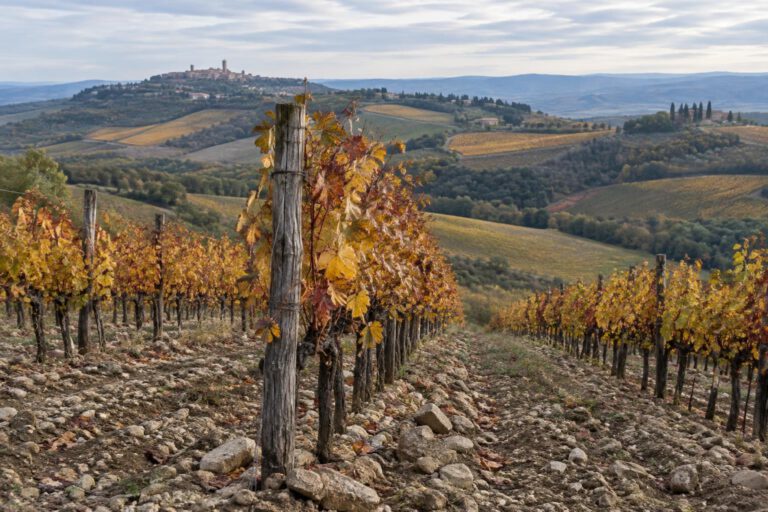
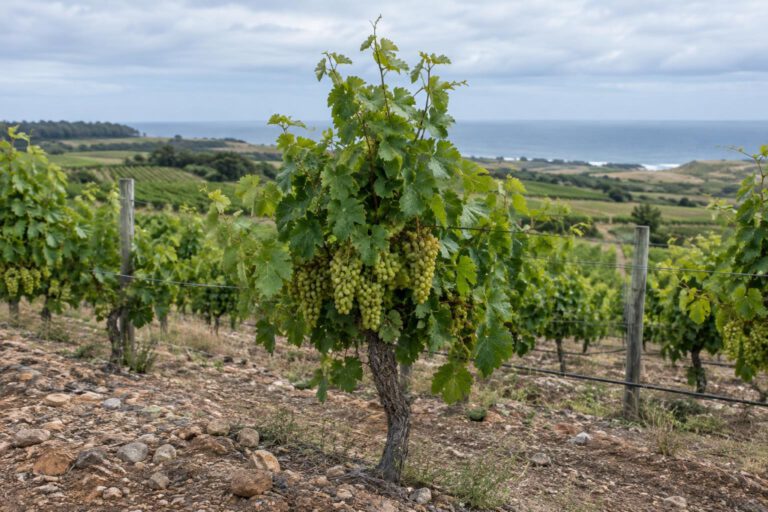
Rioja’s 2026 grape harvest finished early and yielded substantially more grapes than the previous two harvests. An initial report in early October put the figure at around 358 million kilograms. The final figure subsequently published by the Consejo Regulador is lower: 333.77 million kilograms, comprising 290.91 million of red grapes and 42.86 million of white grapes. That represents an increase of 48 per cent on 2025. The discrepancy shows why an interim figure should not be confused with the final harvest total.
Yet even the final figure only partly answers the question of grape varieties. It distinguishes between red and white grapes, not between Tempranillo, Garnacha or the less widely planted red varieties. A higher overall volume therefore reveals neither which variety recorded a particularly strong increase nor which producers might adjust their planting or sales plans as a result.
A large harvest is not a breakdown by variety
Tempranillo dominates the red vineyard area of DOCa Rioja. Garnacha Tinta, Graciano, Mazuelo and Maturana Tinta are also permitted. In the vineyard figures for 2023 published by the regulatory council, Tempranillo accounted for 87.6 per cent of the red vineyard area, Garnacha for 7.3 per cent, Graciano for 2.5 per cent, Mazuelo for 1.8 per cent and Maturana Tinta for 0.5 per cent. This describes vineyard area, not the 2026 harvest: vine age, yield, site and picking date can shift the proportions by volume in any given vintage.
The earlier start to the harvest makes this distinction all the more important. During ripening, the regulatory council reported persistently high temperatures, rapidly rising sugar levels and falling acidity in the berries it analysed. Such observations explain the time pressure in the vineyard, but they do not allow sweeping conclusions about finished wines or individual varieties. Assessing those will require completed fermentations and reliable data broken down by variety.
Three varieties, different requirements
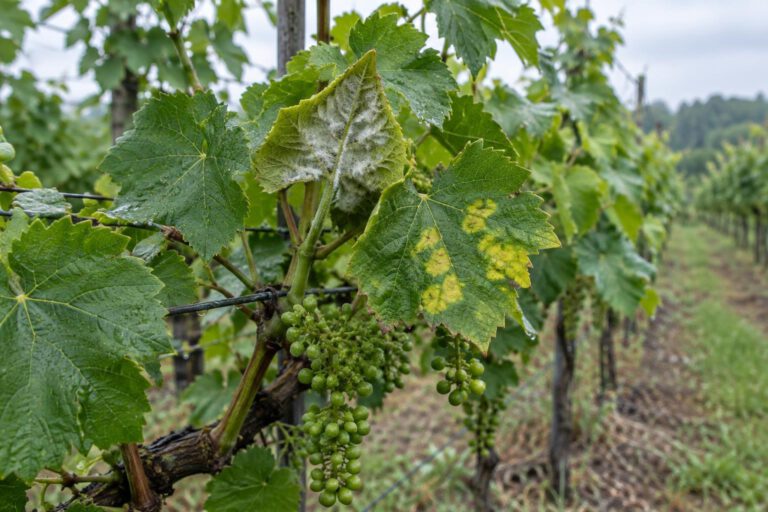
Garnacha is more than just a complement to Tempranillo in Rioja. The regulatory council describes it as adaptable to different conditions: in warmer areas it can produce more powerful wines, while cooler sites can allow for other styles. In the vineyard, its strengths include resistance to drought, but it is susceptible to certain fungal diseases. For producers, the variety is therefore not a simple answer to heat, but a choice that brings together site, vineyard management and the intended wine style.
Mazuelo – also known as Cariñena – tends to ripen late and needs sufficient warmth to reach full maturity. Its firm tannic structure and acidity can complement blends; with high yields and unripe grapes, however, the result can seem harsh. The regulatory council also highlights its relatively high productivity. In a year of accelerated ripening, yield control and picking date are therefore at least as relevant as the name of the variety.
Maturana Tinta remains a minor presence in the vineyards. Its small planted area makes it barely visible in the overall figures, but it can be of interest to individual producers as a distinctive choice in terms of provenance and style. Without figures for the 2026 harvest, it is impossible to claim that it contributed to the increase in volume.
Volume meets the market and the rules
More grapes do not automatically mean more Rioja wine eligible to be marketed under the designation of origin. For 2026, the harvest rules stipulated that 90 per cent of the specified yield for red grapes could qualify for the designation, compared with 100 per cent for white grapes; volumes above those limits were destined for distillation. These requirements regulate marketable production, not demand for a particular grape variety.
Sales figures do not yet provide an explanation by variety either. The regulatory council’s annual report for 2024 recorded rising export volumes, while domestic sales fell slightly. That is important context, but it is neither a reliable forecast for 2026 nor evidence that Garnacha or other less widely planted varieties are currently enjoying stronger market demand. Anyone seeking details of decisions by individual wineries needs statements from those producers and up-to-date sales figures – neither can be inferred from harvest statistics alone.
The volume figures are therefore a starting point, not a verdict on quality or the future of the varieties. They show a substantial increase in the harvest while also highlighting what is still missing: a breakdown by grape variety and area, alongside the development of the wines in the cellar and on the market. Only then will it be possible to say more precisely whether Rioja in 2026 produced not just more grapes, but also a changed varietal landscape.
Original reviewed by the editors · 6 November 2026