Benvenuto Brunello returns to Montalcino from 19 to 23 November 2026. The organiser, the Consorzio del Vino Brunello di Montalcino, confirms that the 35th edition will preview new Brunello releases and other wines from the appellation. The official programme page lists tastings at the Chiostro di Sant’Agostino; the Consorzio also points out that the programme is still being developed. The wines and vintages actually being presented should therefore only be specified once final confirmation has been received.
For readers interested in Sangiovese, the crucial question is not which year was “better” across the board. More interesting is how climate, altitude, harvest timing and cellar decisions produce different responses within the same appellation. For now, this is a preview of the questions, not a tasting verdict.
One grape variety, many responses
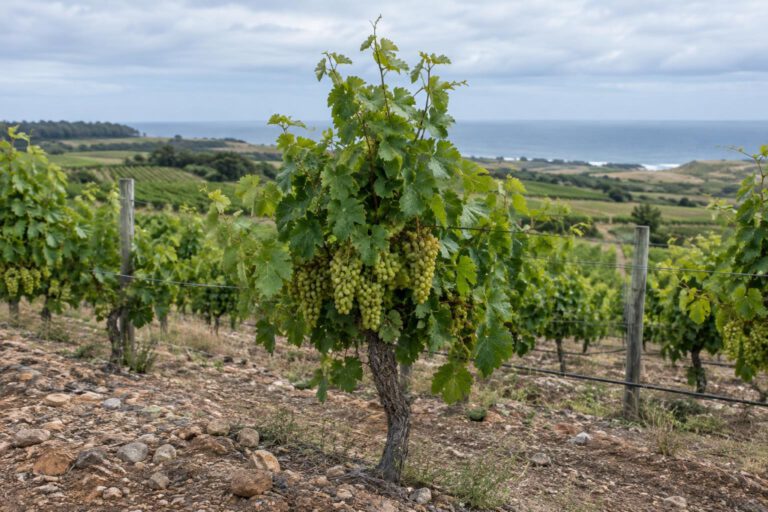
Brunello di Montalcino is made from Sangiovese, traditionally also known locally as Brunello. The appellation covers the municipality of Montalcino, with vineyards at markedly different altitudes. This range alone suggests that a vintage should not be treated as a uniform template: water availability, aspect and the course of ripening can vary from site to site.
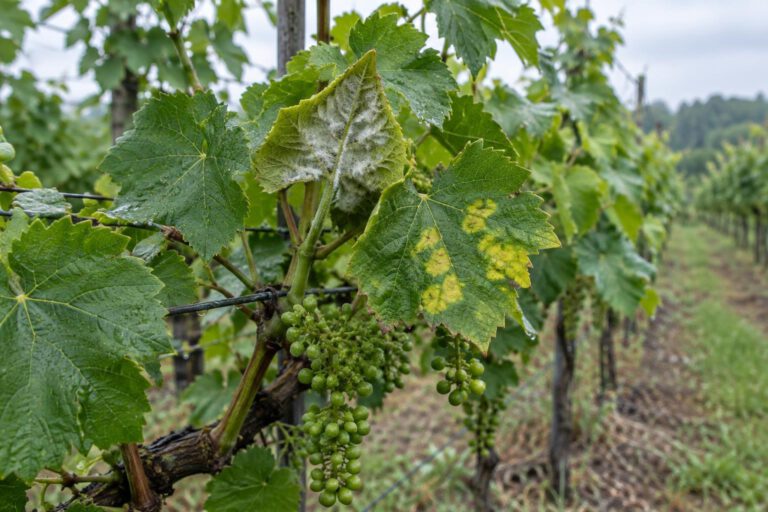
The first question for the new wines is therefore: how was the course of ripening managed in each case? 2022 began with drought and heat. In early August, following rainfall, the Consorzio reported an improvement in vine conditions and greater differences between daytime and night-time temperatures. This interim assessment is not a definitive picture of the vintage. But it does sharpen the questions: when did recovery begin, how differently did the sites respond, and how was the harvest date chosen?
What else a Riserva tells us
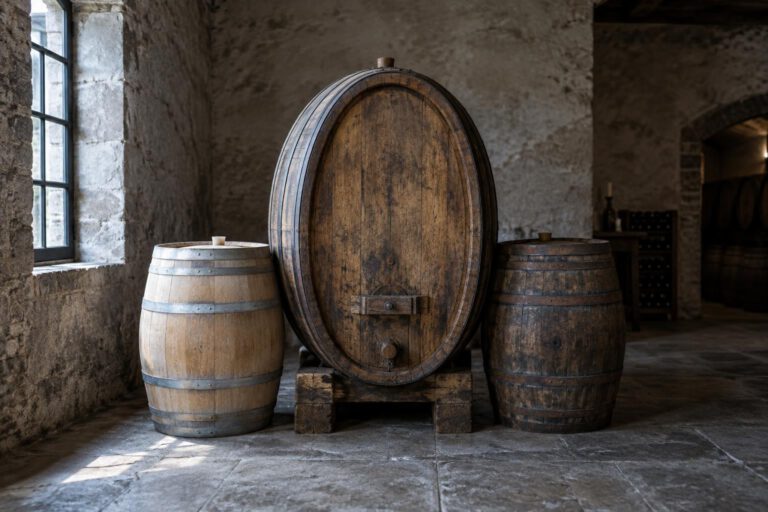
A comparison with a Riserva (reserve) requires a second distinction: it is not weather alone that separates the wines, but also selection and time. The Brunello regulations stipulate at least two years of ageing in oak for the standard bottling, with release permitted from 1 January of the fifth year following the harvest. Longer periods apply to Riserva. The designation is thus more than a different vintage name; it points to a separate selection and longer maturation.
The Consorzio’s report on the 2021 harvest describes, among other things, a cold spell in spring with late frost and a dry, warm September. These are details of the weather, not a guarantee of a particular style in every bottle. A comparison would need to ask which lots were selected for Riserva, how oak and bottle ageing were used, and whether extra time makes the distinctions between origin and vintage more pronounced or more muted.
Read the origin, not the star rating
Even within a single vintage, a tasting should not stop at an overall verdict. Montalcino is not a single vineyard: soils, altitude and aspect vary, and wineries make their own decisions on harvesting, fermentation and ageing. A meaningful comparison therefore asks about specific wines and their origins, rather than simply ranking vintages.
Benvenuto Brunello provides the setting for this: the official event page announces producer tastings and themed masterclasses. Until the full list of wines being presented is available, it remains unclear which vintages can be tasted directly side by side. What is certain is our guiding editorial question: how does Sangiovese in Montalcino bring freshness, structure and ripeness together — and how do different sites and cellars respond? Only the wines themselves can answer these questions.
Original reviewed by the editors · 6 November 2026