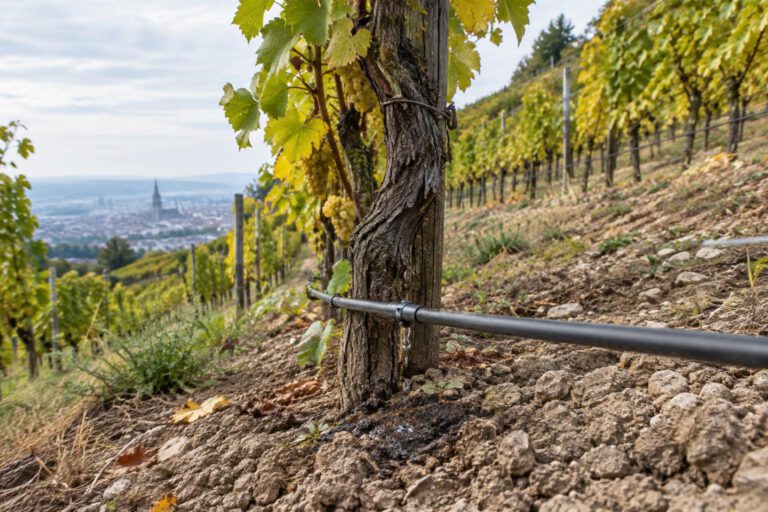
A city can do more than simply pour its wine into a glass: in Vienna, the vineyards actually lie within the city boundaries. Between densely built-up neighbourhoods, transport routes and green spaces, an agricultural tradition thrives that is easily overlooked in everyday life – until a bottle appears on the table or the winegrowers themselves pour a glass.
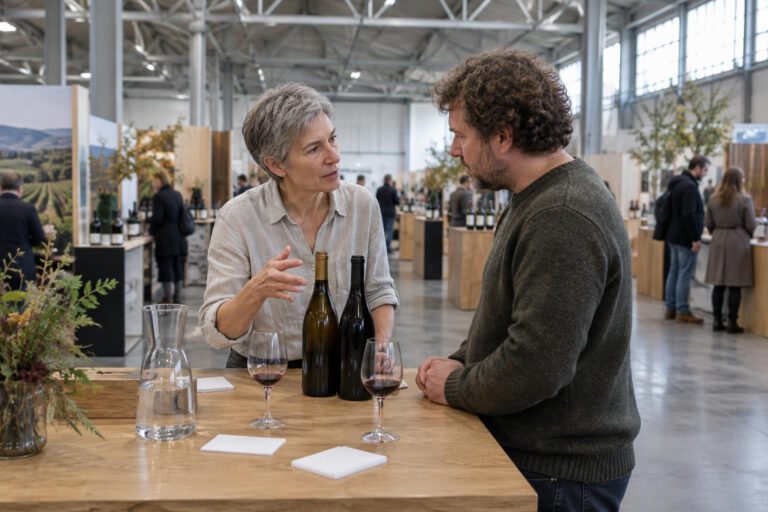
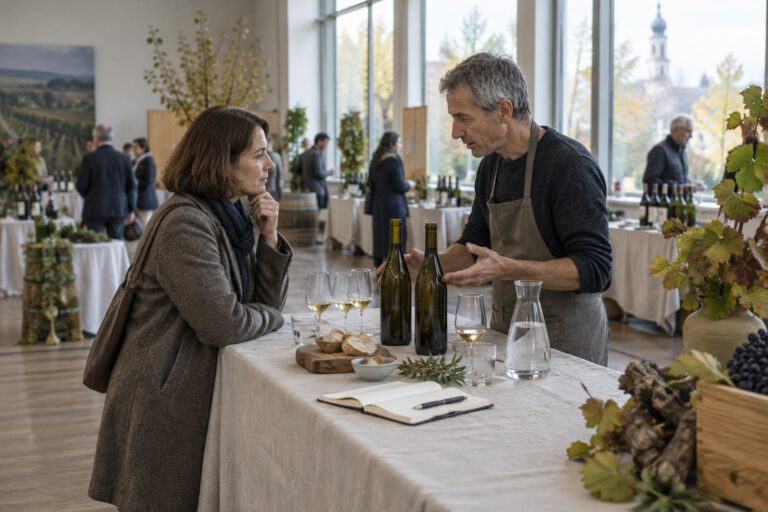
On Thursday, 12 November 2026, the Tour de Vin is due to visit the Markterei Markthalle under the title “Wine in the City”. Falstaff has announced that nine Viennese ÖTW estates will be there with current vintages and mature wines. What visitors will actually ask and which topics will shape the conversation cannot be anticipated before the event. The occasion therefore offers an opportunity to consider the connection between origin and city life – not a substitute for voices from the audience.
Viticulture, not just urban romance
Vienna is the only Austrian wine-growing region to encompass a major city. According to the vineyard area records of Austrian Wine, a total of around 588 hectares under vine were recorded in 2023/24. Wiener Gemischter Satz accounted for a substantial share of this, at around 239 hectares. These figures make viticulture more than a picturesque backdrop: vines are part of the city’s agricultural land use and also help shape its open landscape.
“Wiener Gemischter Satz DAC” (Vienna’s protected field-blend designation) is particularly closely associated with Vienna. The protected designation is subject to specific rules: at least three grape varieties must grow together in the vineyard and be harvested and processed together. The largest varietal share may account for no more than half, while the third-largest must make up at least ten per cent. This is more than a name that evokes a long tradition: origin and joint processing are part of what the designation promises.
From the Heuriger to the dining table
The Heuriger (a traditional wine tavern) is an obvious place to get to know Viennese wine, but not the only one. In a wine bar, a restaurant or at home, a Viennese white can also be an easy-going companion to food. With a savoury platter of cold cuts and snacks or roasted vegetables, a dry white wine with lively acidity can provide a refreshing counterpoint; with richer dishes, acidity helps balance the sensation of fat. This is not a rigid pairing rule: what matters is the preparation, seasoning and style of the particular wine.
Gemischter Satz also offers a good starting point for conversation, because its grape varieties are not simply blended into a cuvée in the cellar: they grow together and are processed together. How this expresses itself in a particular wine, however, depends on the vintage and how the wine is made and matured. Without specific bottles and verified information, it would be wrong to claim that Viennese wine has a single, uniform taste.
Meeting people rather than offering ready-made answers
A tasting in the heart of the city can make a wine’s origins more tangible: anyone sampling a glass can ask directly about the vineyard, grape varieties or farming practices – or about which wine would suit the food on their own table. Whether such questions will actually set the tone on 12 November remains to be seen. It is equally unclear whether the audience will be more interested in discussing origin, working methods or wine’s place in restaurants.
It is precisely these answers that would turn a presentation into a report on everyday city life. Before the event, all that can be said is this: Viennese wine is not merely a visitor attraction, but comes from vineyards within the city and carries a clearly defined designation of origin. Whether that proximity is felt in everyday life is decided not only in the vineyard – but also wherever people choose wine to go with a meal, discuss it in a bar or restaurant, or discover it at a presentation.
Original reviewed by the editors · 5 November 2026