TASTING · REPORT · 06:27
Wine in the Making
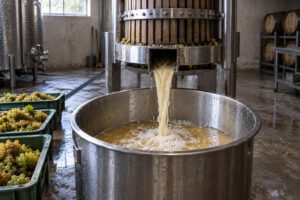
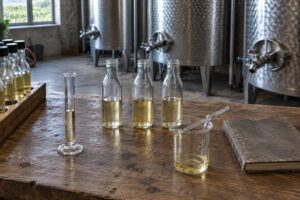
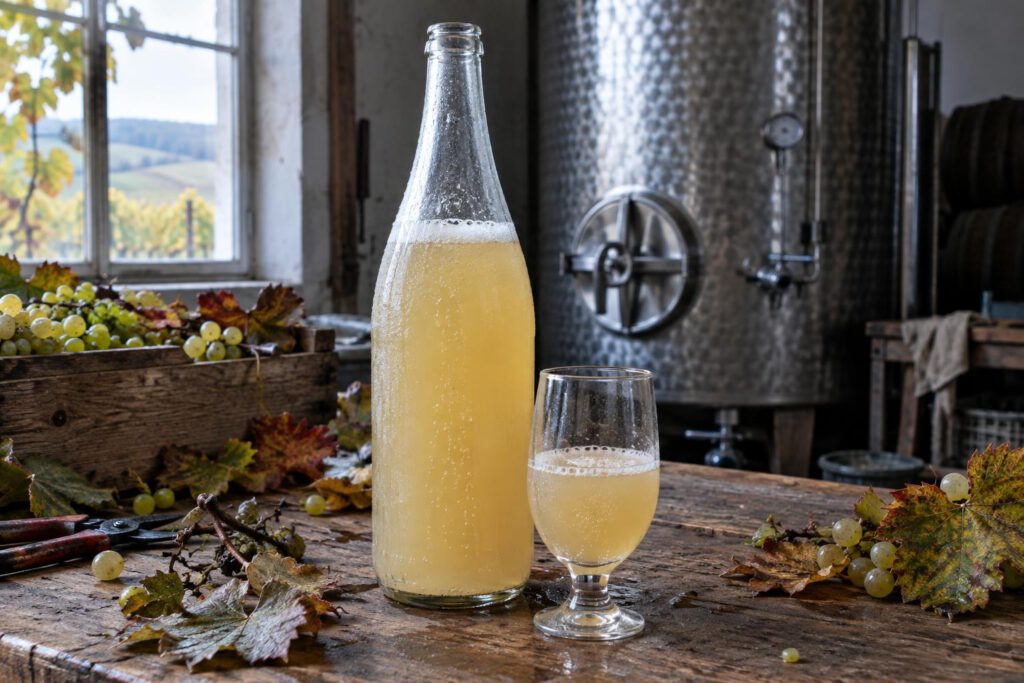
Federweißer is a wine in the making: fermentation has begun but is not yet complete. The fizz in the glass and the way it changes from week to week are what make this brief autumn chapter so appealing.
The wine day in brief: news, events and all the latest articles from our sections – newest first.
Federweißer is a wine in the making: fermentation has begun but is not yet complete. The fizz in the glass and the way it changes from week to week are what make this brief autumn chapter so appealing.
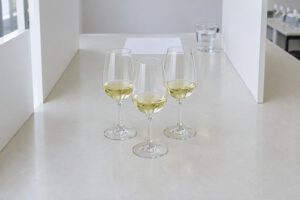
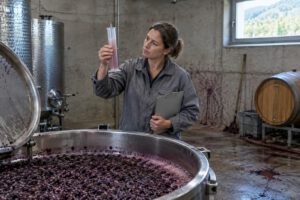
Blind tasting, sensory profiling or consumer judgement: what sensory analysis can tell us about wine depends on the question being asked.
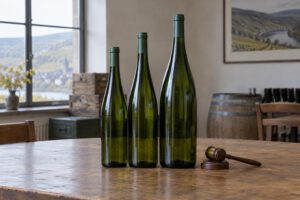
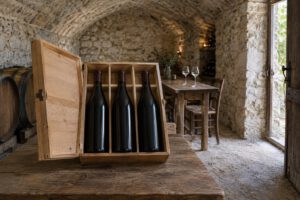
Rieslings in several formats are going under the hammer in Bad Kreuznach. What matters is not the record price, but the comparison per litre.
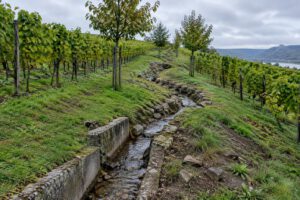
Keeping water where it falls: how winegrowers, local authorities and other land users can plan measures across property boundaries.
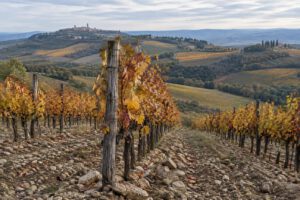
Benvenuto Brunello puts Montalcino’s new wines in the spotlight in November. Our set of questions distinguishes vintage, selection and ageing.
Three church-owned wine estates, vineyards along three rivers and an estate director who does not confuse tradition with standing still.
Einzellage, Großlage, VDP.GROSSE LAGE: similar terms represent different systems. Here is how to make sense of the label.
Two estimates, two reference dates: what the harvest figures for 2026 tell us – and what remains unresolved.
45 German wineries and trading companies are heading to ProWine Shanghai. The real test comes after the fair: turning conversations into reliable distribution partnerships.
On 7 November, Lutzmannsburg’s winegrowing families will welcome visitors into their cellars. Details of opportunities for conversation, routes and what will be on offer remain open.
Douro, Dão, Bairrada: a presentation in Zurich shows why origin is the best way into Portugal’s wine world.
Lemberger, Spätburgunder and a blend: three reds from Schnaitmann, Huber and Rings strike distinctive notes in the 2022 vintage.
Garage Caveau combines extensive leased vineyards with a small own-label range. What can be substantiated about this business model – and what remains unclear.
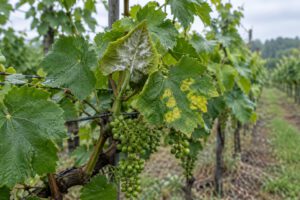
Resistance is not an expiry date but a race against adaptable pathogens. How breeders and winegrowers can monitor it.
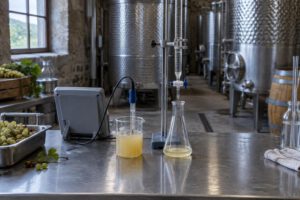
The harvest was exceptionally early. How measurements, intended style and wine law interact in decisions on acidity.
255 entries, 204 medals: the new Basel award raises profiles. Yet there is little public documentation of exactly how the jury reaches its decisions.
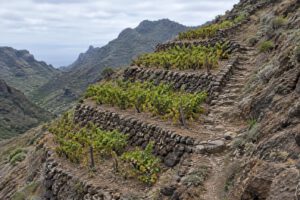
On La Gomera, steep vineyards and limited resources raise a major question: how can sustainable island winegrowing be measured?
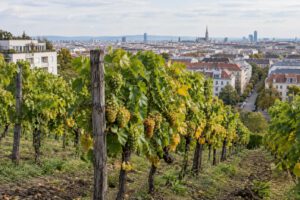
From vineyard to market hall: what sets Viennese wine apart and why its place need not be confined to the Heuriger wine tavern.
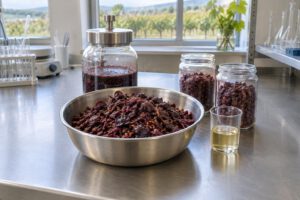
Researchers at Geisenheim are investigating fermented grape pomace as a potential aroma ingredient for dealcoholised wine. The results remain open.
Radebeul brings wineries, hospitality businesses and cultural venues together for a November weekend. Whether this will generate additional overnight stays remains an open question.
Anyone not bidding in the room can appoint a commission agent. What they arrange – and the limits set by a maximum bid.
The 13 per cent limit is not being lifted for all Champagne. A special provision applies to certain blends and requires precise entries in cellar records.
At London's Fine Wine Encounter, wines from many regions meet an international audience. The programme provides an opportunity to discuss origin, maturity and price.
Albariño, Marselan and Cabernet Franc grow alongside Uruguay’s famous Tannat. How broad is this diversity really?
No additives, no filtration, organic grapes: the Swiss natural wine charter draws clear lines. How is compliance checked?
An application is followed by a tightly scheduled process. The volumes requested show that the potential relief for the market remains limited.
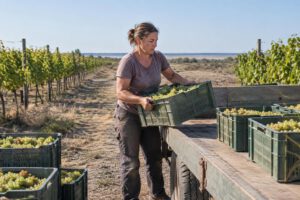
When grapes ripen earlier, workers, picking teams and cellar equipment need to be ready earlier too — and work together more flexibly.
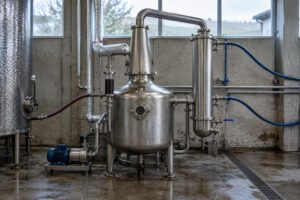
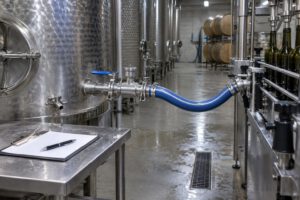
From tank to bottle: how hygiene, documentation and checks work together in a winery – and who is responsible for what.
A bottle, an estate visit or a future allocation: the Bonhams auction in Paris brings different entitlements together in a single lot.
Carinthia’s winegrowers are opening their cellars on 7 November. A visit may reveal what connects its scattered winegrowing locations and diverse grape varieties.
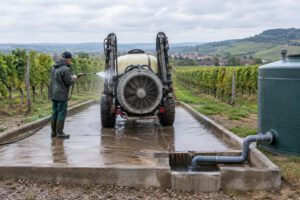
Leftover spray solution and wash water do not belong in drains or ditches. The crucial work of protecting water begins after the final spraying run.
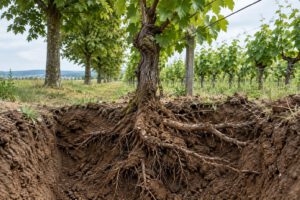
A Geisenheim study finds evidence of competition for water and root space. What the findings show – and where their limits lie.
From Württemberg Lemberger to Franconian Tauberschwarz: Germany’s red wine scene is more diverse than a focus on Pinot Noir might suggest.
Sweden and Finland are coming into focus as export markets. But gaining access through trade channels and tenders takes more than strong export figures.
MondoVino brings more than 170 producers to Vienna. An opportunity to reflect on selection, guidance and the limits of the wine shelf.
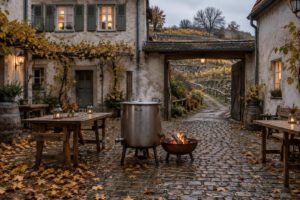
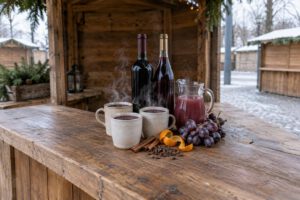
Glühwein, a spiced drink or juice: at a winter stall, the name does not always reveal what is in the cup.
As KaiserHerbst draws to a close, the number of events is not what counts. A look at the landscape and programme shows what a leisurely day can offer.
Two bottle sizes, one vintage, one origin: the Kupfergrube Riesling Sekt brings a rare point of difference to the Nahe auction.
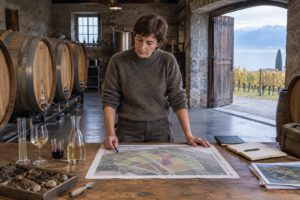
DiVINes! puts women winegrowers in the spotlight. But the crucial questions behind the stand also concern ownership, power and succession.
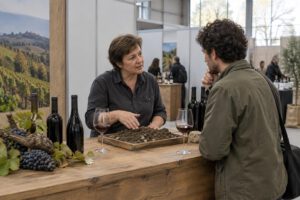
Three days, more than 300 wineries: Piacenza puts the focus on provenance, direct dialogue and wines beyond the familiar names.