On 9 November, a little piece of Vaud comes to Bern: more than 30 wineries will present their wines at the Kursaal, including both younger and older vintages. The Salon des Vins Vaudois is an opportunity not just to read about provenance on the label, but to put questions directly to the producers. For the German-speaking audience, translation will also matter – not just of language, but of landscape, grape variety and vintage.
Six wine regions, more than one picture
Vaud often brings Chasselas and Lavaux to mind. Both are central to the canton, but they do not tell the whole story. The official regional classification comprises six wine regions: La Côte, Lavaux, Chablais, Bonvillars, Les Côtes de l’Orbe and Vully. There are also eight controlled designations of origin. The vineyard landscape stretches from Lake Geneva to the shores of Lake Neuchâtel and Lake Murten.
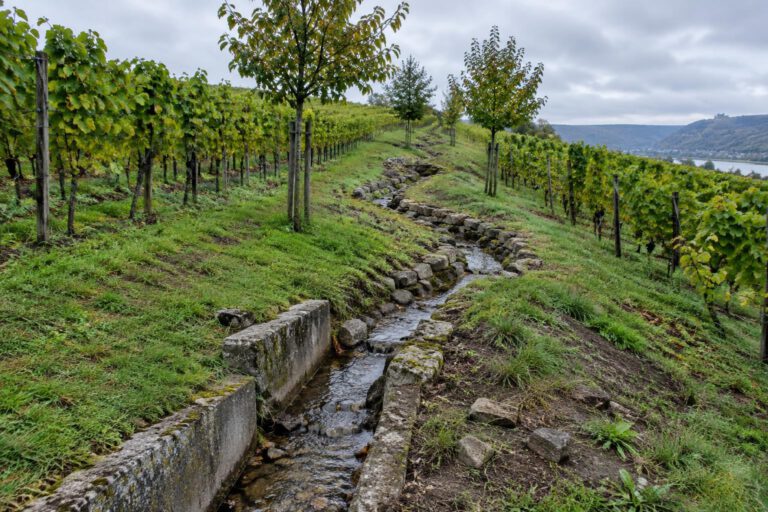
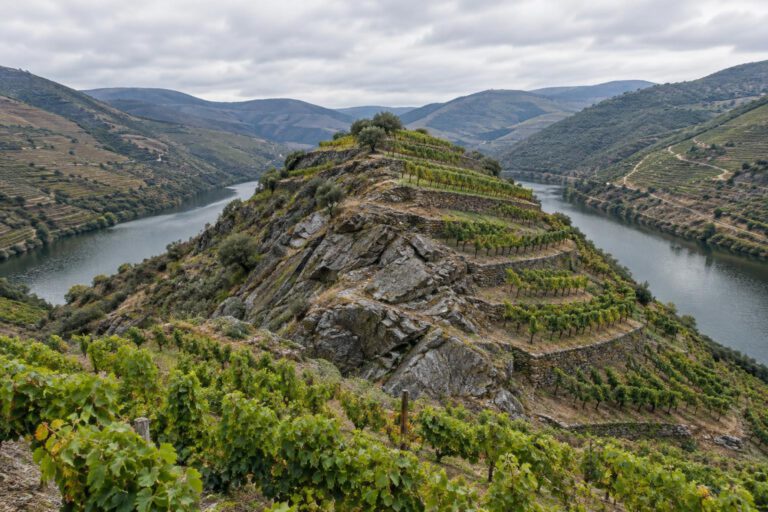
This is more than a map for a brochure. Location, topography and proximity to the lakes, the Jura or the Alps vary from region to region. In Lavaux, steep, terraced slopes define the landscape; La Côte lies beside Lake Geneva and along the foothills of the Jura. In Chablais, the Alpine landscape meets the lake. Such differences deserve a precise question at the tasting table: what origin appears on the bottle – and what does it mean for the wine? A place or an appellation is not a description of flavour, but first and foremost a precise indication of origin.
Chasselas as a starting point, not a limit
Chasselas is Vaud’s best-known grape variety and, for many, the natural place to start. Yet a Salon featuring more than 30 producers can show just how quickly this picture becomes too narrow. Alongside the familiar white wine made from Chasselas, visitors will encounter other varieties and different stylistic choices. Which wines are actually on the tables depends on what the participating producers offer; no general expectations for the tasting can be drawn from this.
A specific question about place is a useful starting point for discussion: where does the wine come from, and what designation of origin does it carry? Asking about how it was made and matured, or how to approach a mature vintage, can be equally revealing. In this way, a general explanation of Vaud becomes a conversation about an individual wine. Its provenance cannot be reduced to a single landscape or variety.
What a mature vintage can tell us
The organisers have announced older vintages alongside younger ones. This makes the event particularly interesting: mature wines can raise questions about development and drinking windows, without there being a single answer that applies to every bottle in advance. Age alone is no guarantee of quality. Origin, vintage, winemaking and maturation, and the condition of the individual wine remain decisive – as does what the winery can tell us about it.
Wine merchants and hospitality professionals are also likely to bring different questions from those of private visitors: which wines can be explained within a range? Which indications of origin are familiar to customers, and where is guidance needed? The Salon relies on direct encounters to address these questions. Whether these lead to new acquaintances or concrete business relationships cannot be said before the event. What is certain is that Vaud’s appearance in Bern presents the region not as a uniform brand, but as a tapestry of different wine landscapes, producers and vintages.
A conversation on equal terms
The Salon takes place at the Kursaal Bern and is organised in collaboration with VINUM. An additional selection of award-winning wines from the Grand Prix du Vin Suisse 2026 has also been announced. The afternoon and evening will thus combine a regional showcase with a look at award-winning Swiss wines.
Visitors do not need to be able to distinguish the six wine regions beforehand. It is more useful to arrive with open questions: what distinguishes this wine from one from the neighbouring region? Why was this particular vintage brought along? And precisely what origin does the label indicate? If concrete answers follow, the Salon becomes more than a tasting – it becomes a conversation between Vaud and German-speaking Switzerland.
Original reviewed by the editors · 5 November 2026