In autumn, the calendar in the Kaiserstuhl soon fills with more than a day can hold. From 10 October to 8 November, KaiserHerbst 2026 brings together events centred on wine, food, nature and culture in the Kaiserstuhl and Tuniberg. The closing weekend need not become a race to fit everything in. A good itinerary starts not with the question of how many stops can be squeezed in, but with what you really want to explore.
One caveat is needed: this report is based on published details and specialist information, not a first-hand visit. It therefore makes no claim to describe impressions of individual events, but considers what sort of day might sensibly be shaped by the region’s character and the idea behind the festival.
Terrain that takes time
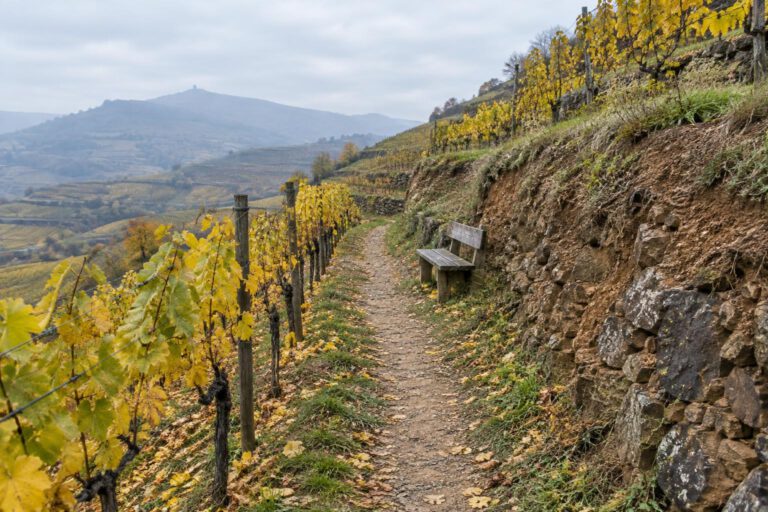
The Kaiserstuhl rises from the Upper Rhine Plain as a volcanic massif. Yet anyone who thinks only of dark rock overlooks a second defining layer: loess, carried by the wind from the gravel beds of the Rhine Valley. The Forest Research Institute Baden-Württemberg describes how this calcareous soil favours the formation of sunken lanes and terraces, yet is also prone to erosion when left unprotected.
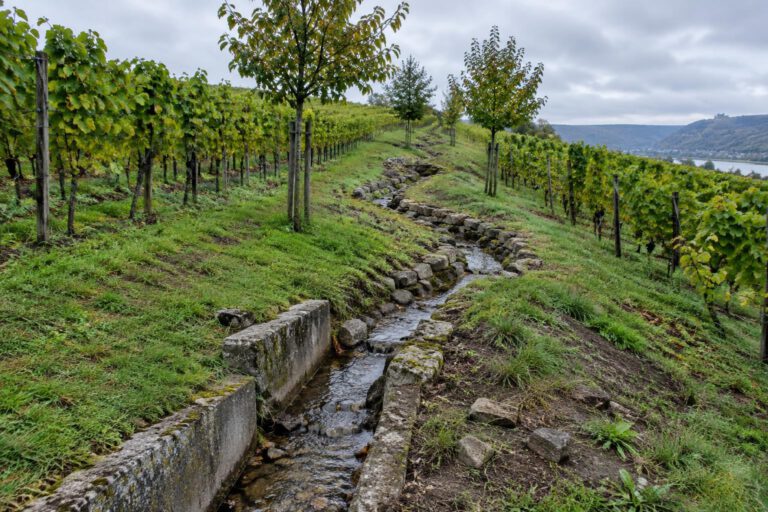
The landscape is thus not a backdrop to winegrowing, but its working environment. Vineyards follow the slopes, interspersed with wooded hilltops, sunken lanes and open banks. The Federal Agency for Nature Conservation also highlights the importance of this varied cultural landscape for dry habitats. Anyone planning a walk will therefore be looking not merely at vines, but at terrain that agriculture and nature have shaped together over a long period.
A stop that offers insight
According to the organiser, KaiserHerbst’s events range from wine and food to nature and culture. This breadth is an invitation, not an obligation to take in everything. For a manageable weekend, a simple sequence suggests itself: first a walk through the landscape, then a single event that explores a question in greater depth — perhaps how winegrowing and soil are connected, or how regional cooking draws on local produce.
This is editorial guidance, not a confirmed itinerary for a particular place or day. The published programme may change; specific dates, venues and travel arrangements should be checked with the organiser before setting off. An event that allows room for explanation and discussion can convey more about the region than a succession of activities visited in haste.
Wine belongs in context
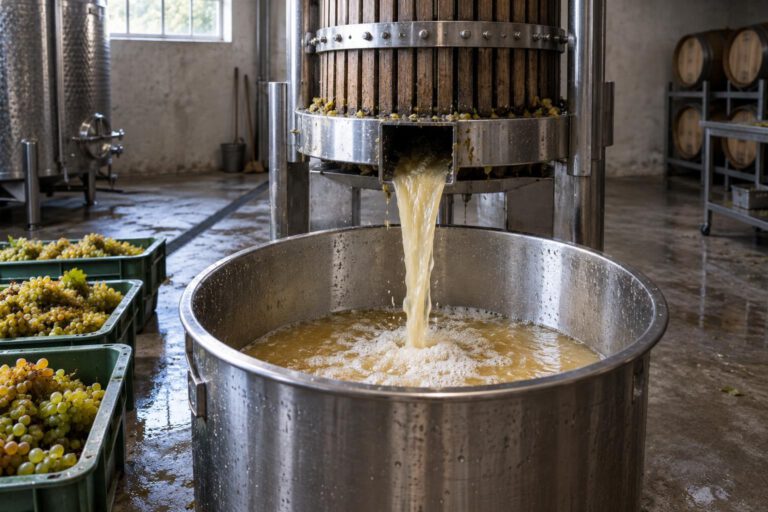
Burgundy varieties are particularly prominent in the Kaiserstuhl; the Baden Winegrowers’ Association lists Spätburgunder (Pinot Noir), Grauburgunder (Pinot Gris), Weißburgunder (Pinot Blanc) and Chardonnay, among others. This does not, however, amount to a universal formula for flavour. Volcanic rock and loess, aspect, vineyard work and winemaking vary from place to place and producer to producer. A glass alone cannot explain the landscape — it becomes more interesting when you know where the grapes came from and how they were handled.
A tasting can therefore be part of the day without having to dominate it. It makes sense to concentrate on one format and leave the remaining time for walking, conversation or a meal. For wine events, attendance and the journey home should be planned together; anyone driving should remain alcohol-free.
Quantity is not the measure
KaiserHerbst ends on Sunday, 8 November 2026. Its value to visitors is not measured by how many programme items they can tick off. A well-chosen walk, an event with a clear connection to the region and time for a meal can leave a clearer impression than a tightly scheduled day. The terraces and sunken lanes, in particular, make it clear that winegrowing here does not happen only in the cellar: it shapes the terrain — and asks us to pay attention.
Original reviewed by the editors · 5 November 2026