On 18 November 2026, Wein Steiermark is hosting a tasting of Riedenweine (single-vineyard wines) at Palais Ferstel, Strauchgasse 4, in Vienna. The organiser’s website announces around 60 Styrian winegrowers and more than 350 wines, including sparkling wines. The tasting is open to wine enthusiasts from 4pm to 8pm; according to the organiser, trade visitors can attend from 3pm. What matters is less which wine attracts the most attention than what its provenance actually explains.
A Riede is a single vineyard. In the Styrian DAC system, Riedenwein sits at the top of the tiers of origin, above regional and village wines. This is a designation of origin, not a ranking of individual slopes: the term promises a narrowly defined provenance, not automatically a uniform style or a predetermined verdict on quality.
Provenance first, then maturation
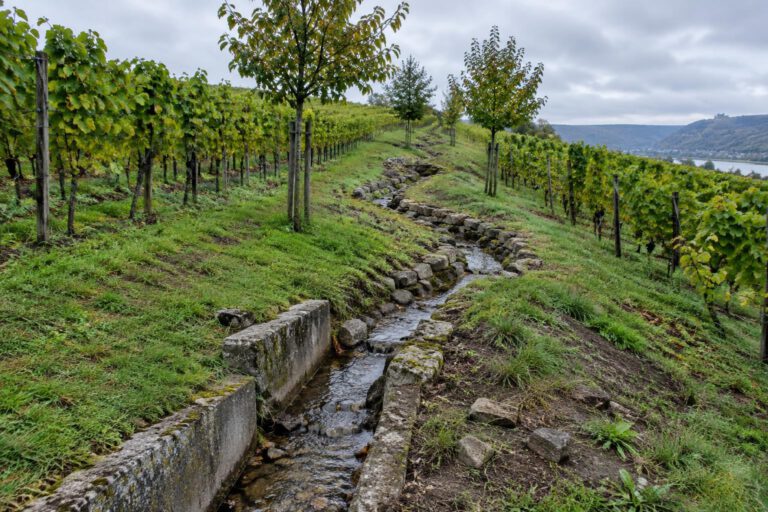
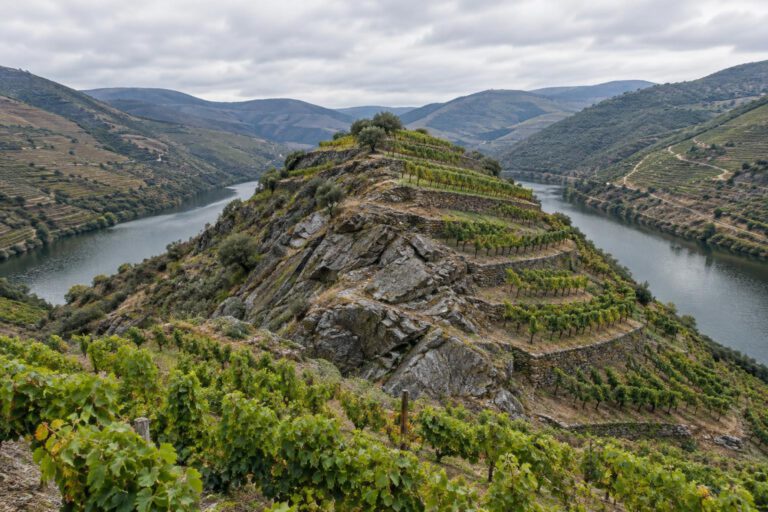
Styria comprises three DAC regions: Südsteiermark, Weststeiermark and Vulkanland Steiermark. Their vineyards extend across hills and steep slopes; soil, altitude, aspect and local weather conditions can vary considerably even within a single region. The province’s Rieden regulations specify which single vineyards may be designated as Rieden. According to Wein Steiermark, hand harvesting is compulsory in the Styrian DAC regions.
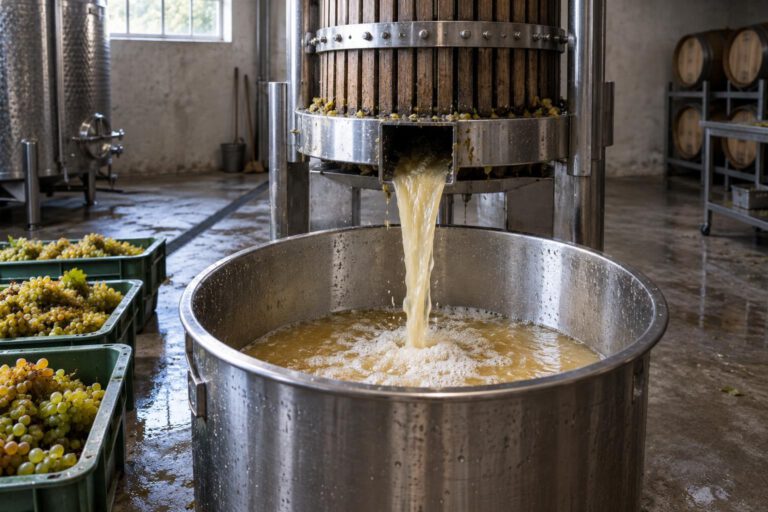
A specific set of questions is useful when making comparisons. Where exactly is the Riede, which way does it face, and what soil conditions shape it? Which grape variety is in the glass? How does the vintage differ from previous years? Only then come the questions about cellar work: for instance, whether the wine was matured in stainless steel or oak, how long it spent on its lees, and whether maturation was intended to highlight its provenance or establish a distinctive style. Such questions make it possible to discuss differences without hastily attributing them to a single factor.
Keep vintage and maturity in mind
A vineyard name alone does not explain how a wine presents itself. The vintage brings its own conditions; harvest date, grape ripeness and decisions in the cellar also shape the eventual wine. With older vintages, visitors can ask producers how the wines have developed and which bottles they have selected for comparison. Mature wines have been announced; the event website does not specify vintages.
The number of wines available to taste also argues for a focused approach rather than a race around the room. The same grape variety from two Rieden in the same vintage can provide a starting point for comparison; the same Riede can then be explored across different vintages or maturation methods. This is not a controlled experiment: producer, harvest date and cellar work often differ at the same time. That is precisely why talking to the winegrowers is worthwhile.
According to the organiser, the presentation brings together wines from all three Styrian DAC regions and more than 50 Rieden. It can thus offer a map in glasses — provided the names are not read as podium places. Those who ask separately about provenance, vintage and maturation will take away more than a personal list of favourites.
Original reviewed by the editors · 5 November 2026