A wine range is a map with blind spots. It can show how far winegrowing extends geographically and stylistically – while also revealing what a merchant considers relevant, accessible and available to supply. MondoVino makes that selection visible in Vienna: WEIN & CO has announced more than 170 producers from Austria and other countries for 13 and 14 November at the MARX HALLE. There will be more than 1,000 products to explore, including not only wine but also beer, spirits, fine foods and alcohol-free options.
The numbers suggest abundance. Yet simply lining up lots of bottles does not in itself convey diversity. A good range requires decisions: which origin gets space? Which grape variety has something distinctive to say? And how can customers find their way among familiar names and lesser-known regions? These are precisely the questions that make a merchant’s tasting interesting – not as a shopping list, but as a glimpse of the work behind the shelves.
Selecting also means leaving things out
No merchant can represent the entire wine world. Space, demand, availability and price impose limits; personal relationships with producers and the question of whether a wine can be explained convincingly also play a part. These are general criteria in the trade, not a comment on the selection at this year’s fair. At an event such as MondoVino, they meet an audience able to compare and ask questions: about origin, maturation, grape varieties or a bottle’s journey to Vienna.
For independent importers and the hospitality sector, selection is also an exercise in interpretation. A wine on a list or a shelf needs more than a country of origin on its label: it should be possible to place it in context – as a suitable partner for a dish, for example, an expression of a region or a contrast to a familiar style. At the table, acidity can balance fat and creaminess; sweetness, meanwhile, changes how spicy a dish tastes. Such relationships help put things in perspective without turning pairings into rigid rules.
Finding your way, not running a marathon
The organisers’ announcement lists six masterclasses and guided Wine Walks lasting around 45 minutes. Each walk is intended to connect selected wineries and themes; registration is required. Formats like these can provide a useful structure when the choice is extensive: anyone interested in sparkling wine, origin or mature wines can follow a thread rather than wander aimlessly from stand to stand. Whether each selection is convincing, however, can only be judged at the event.
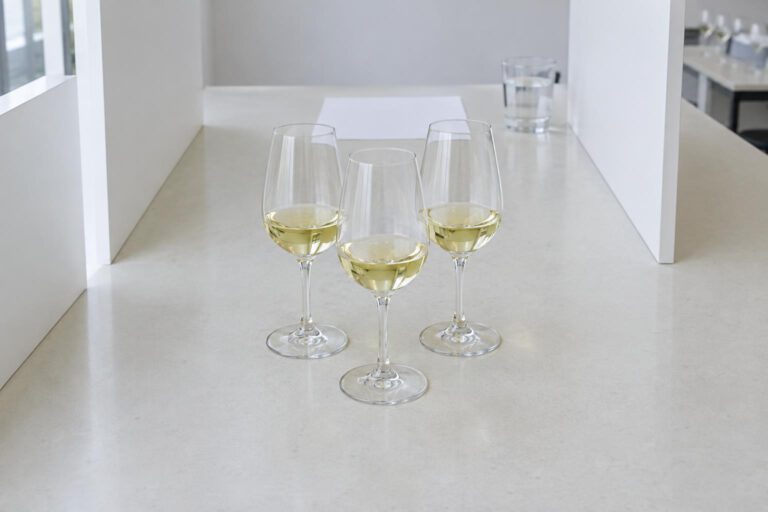
The announced walk-in tasting cube with blind tastings also shifts the emphasis: away from the label and towards comparison. This replaces neither knowledge of origin nor explanations from producers. But it can serve as a reminder that a wine speaks through more than its name, price or prestige.
What leaves a lasting impression on the shelf
A fair showcases a range for two afternoons; a merchant must turn it into everyday decisions. Which bottle remains a talking point, which finds its place at a meal, which opens up a new region? MondoVino offers an extensive showcase and the opportunity to put questions directly to exhibitors. Judgement on wines not yet tasted remains open. What is already interesting is the fundamental question: how much of the world fits on a shelf – and how much explanation is needed to turn choice into guidance?
Original reviewed by the editors · 5 November 2026