Piacenza lies where the Po Valley gives way to valleys and hills to the south. Rather than putting this landscape on a pedestal, the Fiera dei Vini places it alongside many others: from 14 to 16 November 2026, Piacenza Expo will become a meeting place for wineries from Italy and beyond. At its heart is a simple format: strike up a conversation at a stand, taste wines and buy directly from the producers.
The organisers speak of more than 300 wineries, 20 Italian regions and over 2,000 labels. This is an invitation to compare, but also a challenge: how does a name on a bottle become a place of origin that people can understand? For a preview, that is a more interesting question than any expectations of wines yet to be tasted.
From the hills around Piacenza to a host of regions
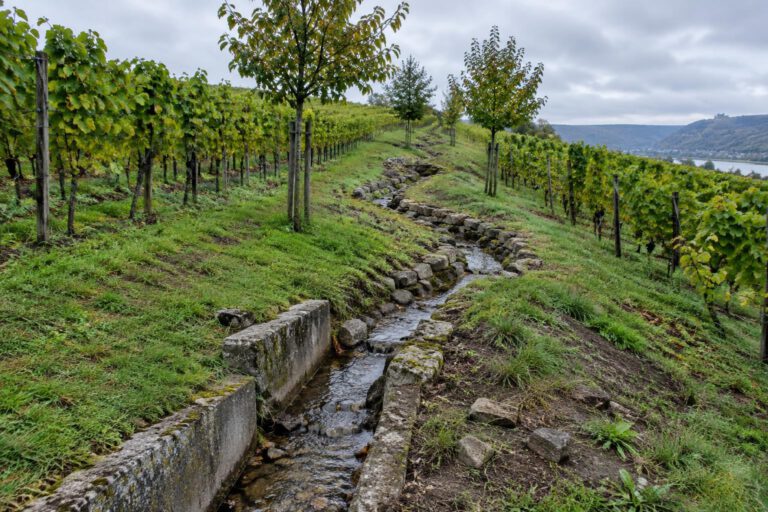
Piacenza is more than just a convenient location for a fair. Across the province, wine and food trails run through four valleys of the Appennino Piacentino: Tidone, Trebbia, Nure and Arda. The landscape alternates between slopes, villages and farmland; varied soils and local traditions are part of the picture. The protected designation of origin Colli Piacentini DOC covers a wide range of wine types. Familiar names include Gutturnio, Malvasia and Ortrugo – three terms that already evoke different grape varieties and winemaking traditions.
The fair aims to broaden that perspective. The exhibitor list features wineries from many parts of Italy; producers from abroad have also been announced. For the first time, a delegation of independent Champagne producers is expected to attend, with houses from several subregions of Champagne. Piacenza will therefore bring together more than just major, familiar appellations. What matters will be whether the stands can also clearly convey more specific geographical distinctions, local grape varieties and the work in the vineyard.
Direct contact rather than simply knowing the labels
Direct sales are part of the fair’s concept. Visitors can discover wines at the stands and then buy from the producers. This changes the role of conversation: it is not just about briefly putting a wine in context, but also about explaining its growing region, style and production methods in a way that stays with visitors beyond their day at the fair. For smaller wineries, this direct engagement can be particularly important – especially where the appellation is little known outside the region.
The programme also lists themed tastings and opportunities to meet producers. For the 2026 edition, the organisers are announcing new formats and events as part of Piacenza Food & Wine Week. Details and participants should be checked again before visiting the fair, as the programme and what is on offer may change. According to the organiser, Monday 16 November, from 10am to 4.30pm, is geared particularly towards wine professionals and the trade; on Saturday and Sunday, the fair is open from 11am to 7.30pm each day.
Piacenza thus promises no substitute for a visit to the vineyards. Rather, the fair offers an introductory atlas: many voices, different scales and the opportunity to ask producers what a place name on a wine actually means. Whether these encounters bring lesser-known regions into view will be determined not by the number of bottles, but by the quality of the explanations at the stands.
Original reviewed by the editors · 5 November 2026