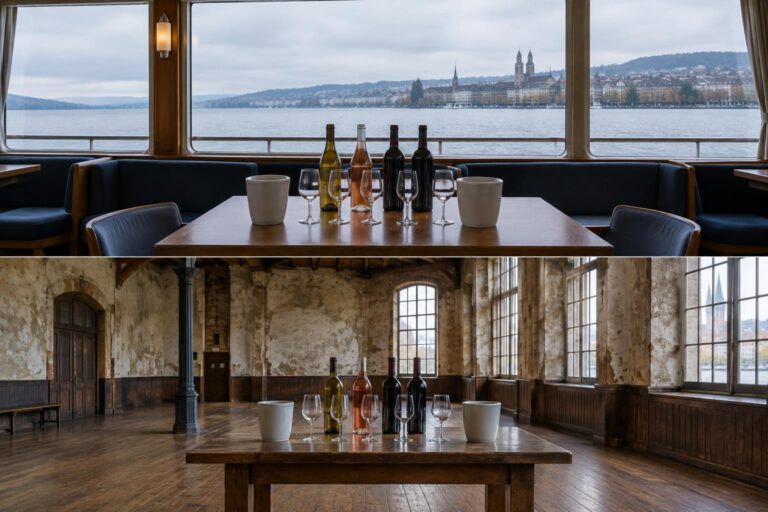
On Saturday, 14 November, Basel’s Badischer Bahnhof will become a meeting place for Baden wines: 39 producers will present their latest vintages at the Badischer Weinbahnhof. The event runs from 2pm to 8pm at Gare du Nord – Bahnhof für Neue Musik, at Schwarzwaldallee 200. For visitors from north-western Switzerland, Baden is not simply next door: it begins across the border and stretches northwards as a winegrowing region for around 400 kilometres.
The planned tasting is therefore more than a shared tasting table. It raises a question that is particularly relevant in Basel: how can a wine’s origin be explained when “Baden” denotes a large, diverse region – and does not, in itself, reveal exactly where a bottle comes from?
Nine districts, many landscapes
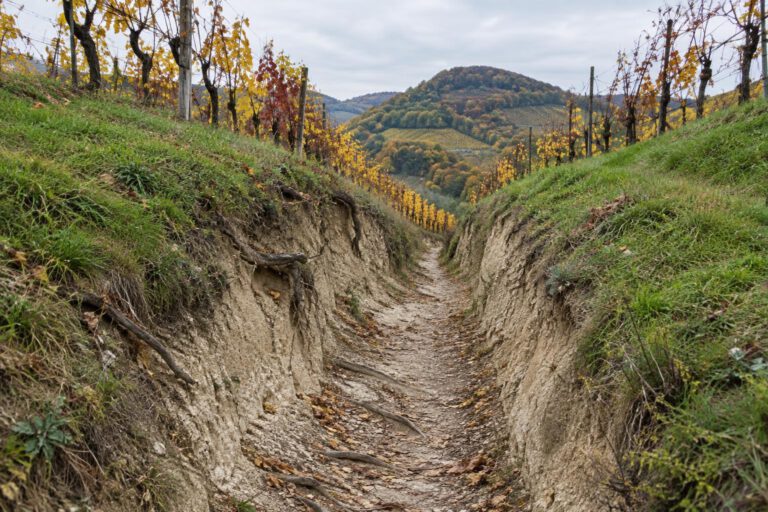
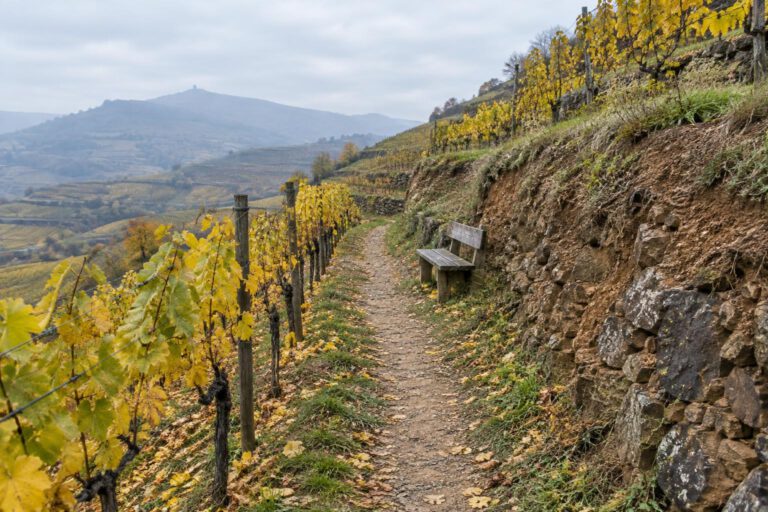
The Baden winegrowing region is divided into nine districts: from Tauberfranken and Badische Bergstraße in the north, through Kraichgau, Ortenau, Breisgau, Kaiserstuhl and Tuniberg, to Markgräflerland and Bodensee. The German Wine Institute describes these districts as differing in landscape and climate. The Badischer Weinbauverband also points to the wide range of soils and elevations.
When it comes to telling the story of origin, this presents both an opportunity and a challenge. A name such as Kaiserstuhl or Markgräflerland can help people find their bearings if it is linked to a place, a landscape or a distinctive feature they can readily understand. Without such reference points, the regional designation Baden remains broad and abstract. And even within a district, producers and wines can differ; a brief explanation of origin cannot fully capture these differences.
At the southern edge of the region, Markgräflerland lies on the Swiss border. Gutedel is a regional speciality there. Further north, other grape varieties and subregions take centre stage. These are not templates that define every wine from a district. Rather, they offer initial points of reference that visitors can explore at the stands.
The border station as a meeting place
The organiser has announced 39 producers from Baden. They include wineries from places such as Breisach, Schliengen, Durbach and Lahr. This brings different parts of the region together in one place, without visitors having to travel through Baden themselves. The wines have been announced, but the event is still ahead of us: any assessment of the vintages or the tasting would therefore be premature.
It will be interesting to see how the producers communicate their origins: is the regional name the main focus on the table, or is there also an explanation of what defines a particular place or district? And which terms actually stick with Swiss wine merchants and visitors? These questions are intended for conversations at the event, rather than representing findings already gathered.
The Badischer Weinbahnhof makes the geographical proximity tangible, but does not automatically answer the question of origin. That requires names people can place in context, and explanations that go beyond a label. On 14 November, producers can make a start – and visitors can judge which of these help them understand Baden better.
Original reviewed by the editors · 7 November 2026