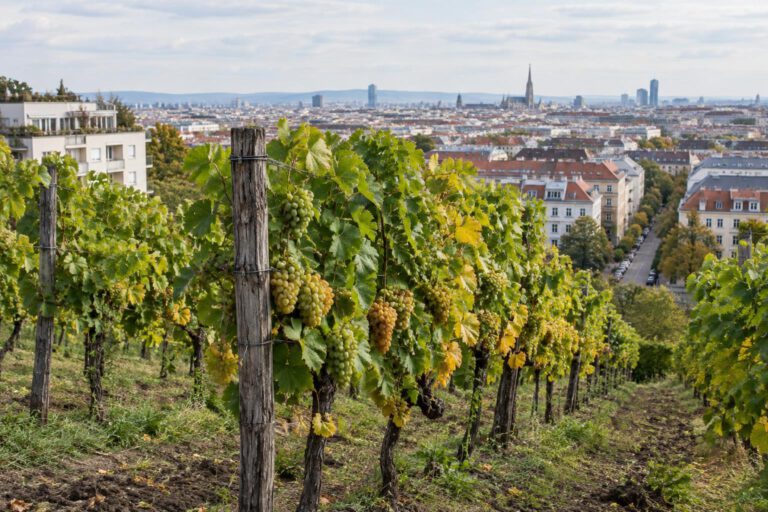
In Würzburg, winegrowing is not confined to the slopes above the Main. Part of its history and its working life lies beneath the city: in vaults, storage cellars and rooms that still belong to wine estates today. On Saturday, 21 November 2026, Bürgerspital, Juliusspital, Staatlicher Hofkeller and Weingut am Stein will open their cellars for the “Night of the Open Wine Cellars”. The event has yet to take place, so what visitors will actually discover there cannot be recounted in advance as a first-hand experience. But the announced venues and programme give an indication of the stories cellars can tell – and where staging plays a part.
From spaces to practical knowledge
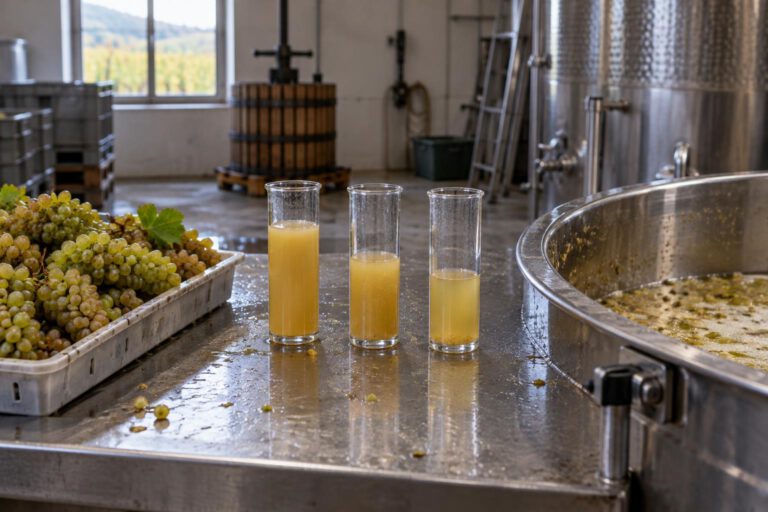
A cellar is, first and foremost, not a museum but part of a working business. This is where wine is stored, racked or prepared for bottling. Wooden barrels and stainless-steel tanks represent different materials and working methods, not automatically a simple contrast between “traditional” and “modern”. Anyone wanting to learn more in the cellar should therefore pay attention to the specific processes: which vessels are used for what? How do maturation and storage differ? And which stages of the work still take place in this particular space today?
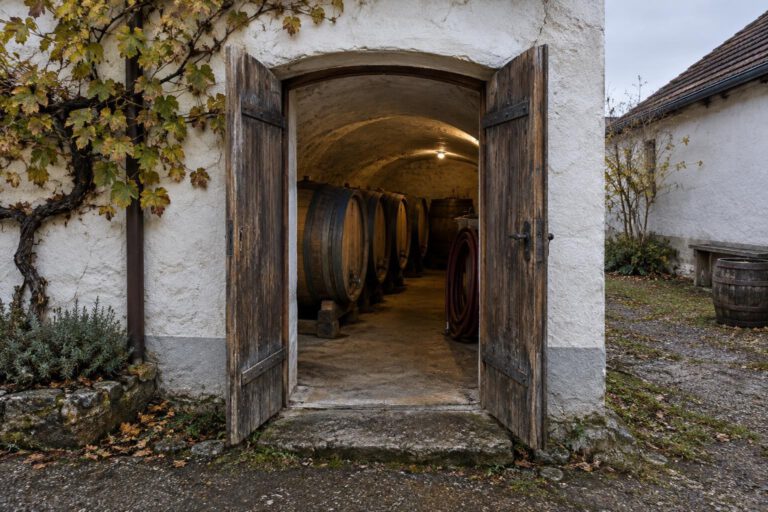
The organisers promise a range of cellar experiences. Bürgerspital is announcing tasting stations with selected wines and a glimpse into an area containing stainless-steel tanks. At Juliusspital, large wooden barrels are set to define the historic cellar. At Weingut am Stein, cellar tours explaining the maturation process have been announced for the warm-up; visitors should also be able to taste wines directly from the barrel there. Programme elements like these can convey practical knowledge – provided that looking at a barrel or tank is accompanied by an explanation of what happens inside it.
History is more than a backdrop
The long relationship between wine and the city is particularly evident at Staatlicher Hofkeller beneath the Würzburg Residence. The estate traces its history back to a donation in 1128 and notes that construction of the present cellar began in 1720. These rooms are therefore more than an atmospheric shell: they belong to a wine estate whose ownership and governing authority have changed several times. The Hofkeller’s brief timeline also tells a story of transitions – from a prince-bishop’s estate to a royal Bavarian one, and then to a state-run enterprise.
Another perspective on the city’s history can be found in the vaulted cellar of the Old University. According to the university, it was built as a wine cellar and leased from 1928 by the Jewish wine merchant Max Stern. The family fled Nazi persecution; during the Second World War, the cellar served as an air-raid shelter. It is not one of the evening’s four venues, but it shows how the history of a wine cellar can become intertwined with trade, persecution and city life. Such stories need context – atmospheric lighting alone cannot tell them.
Getting around with moderation and a sense of direction
The cellars are not all in one place. The VDP is announcing shuttle buses between the city-centre wine estates and Weingut am Stein; the city of Würzburg gives different details on prices and arrangements. Anyone planning their evening should check the organiser’s latest information rather than count on a fixed timetable or fare while the details remain inconsistent. In principle, the shuttle makes it possible to travel between venues without a car of your own; even so, the event should not become a drinking circuit. A single cellar, a guided tour and time to listen can teach you more about wine than visiting as many stops as possible.
Atmosphere is also part of the evening: music, lighting, food and wine service all feature in the announced programme. They can make cellars more approachable, but can also obscure their function. The crucial question is whether, beyond the beauty of the space, visitors come to understand how wine is made and why this particular cellar was built and used as it was. Beneath the city, there is then not only a chance to celebrate, but also to read – in walls, barrels and the stories people associate with them.
Original reviewed by the editors · 5 November 2026